
Materials testing and modeling
The research activities developed in the field of materials testing and modeling fall within the following fields:
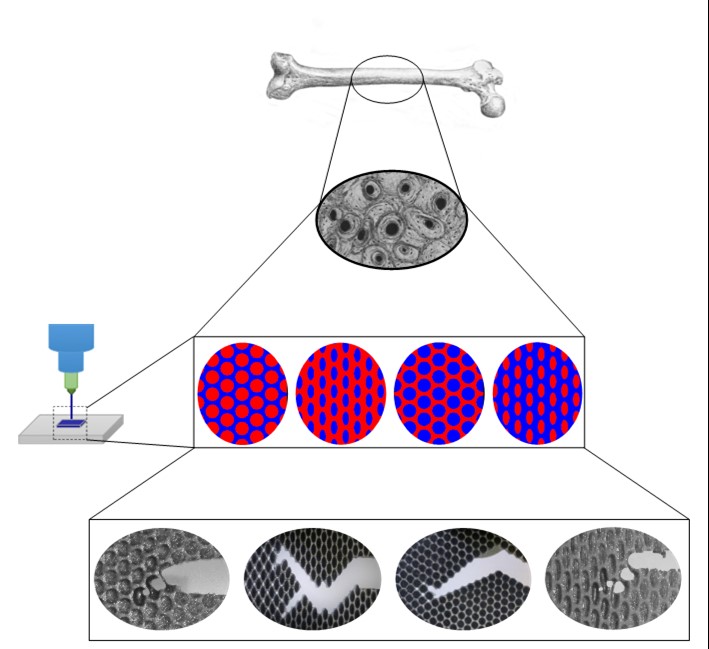
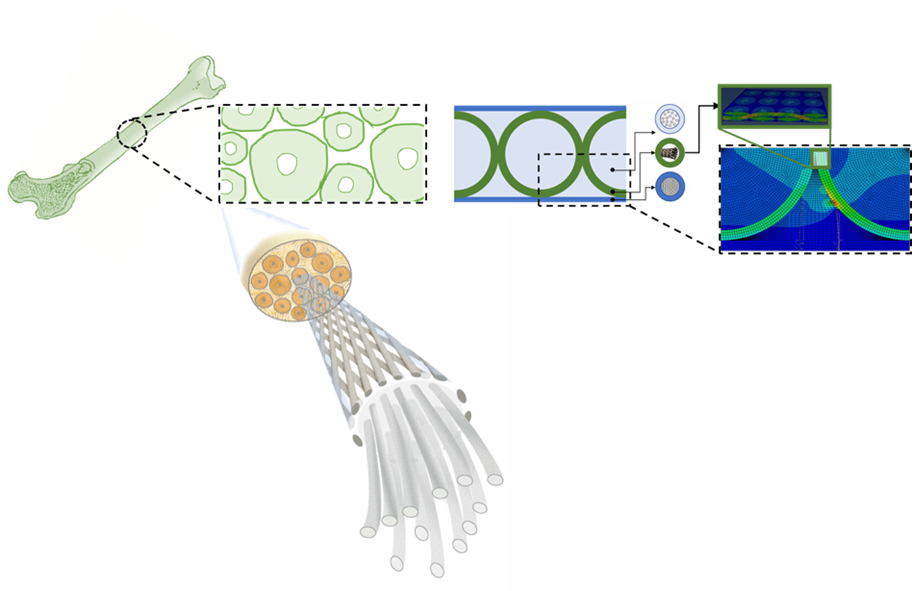
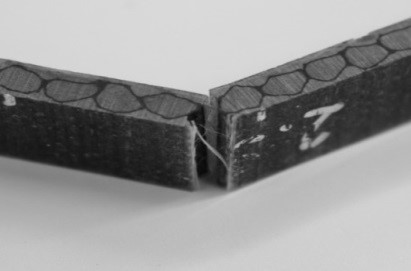
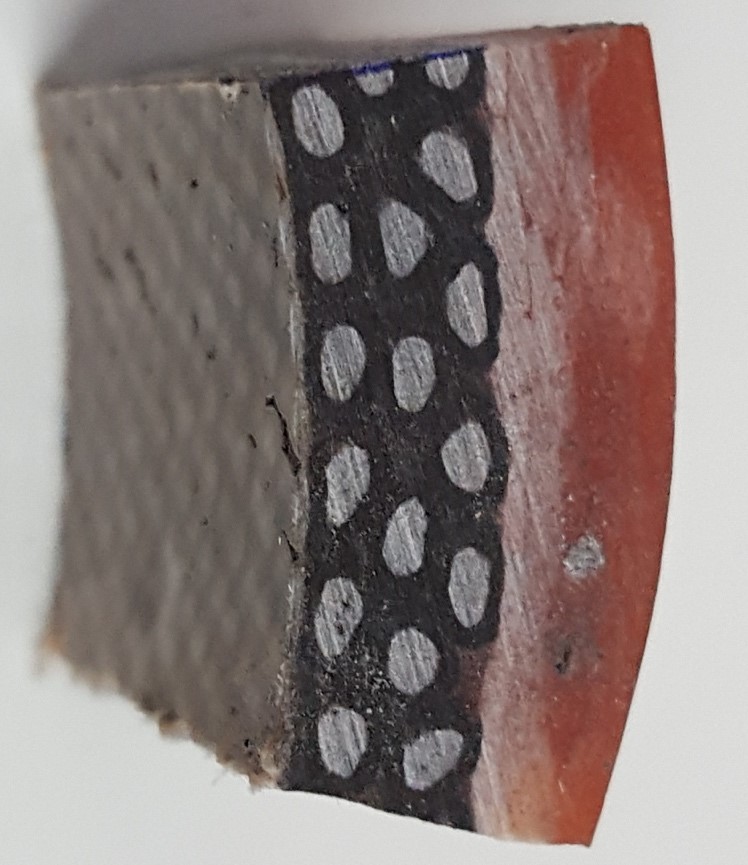
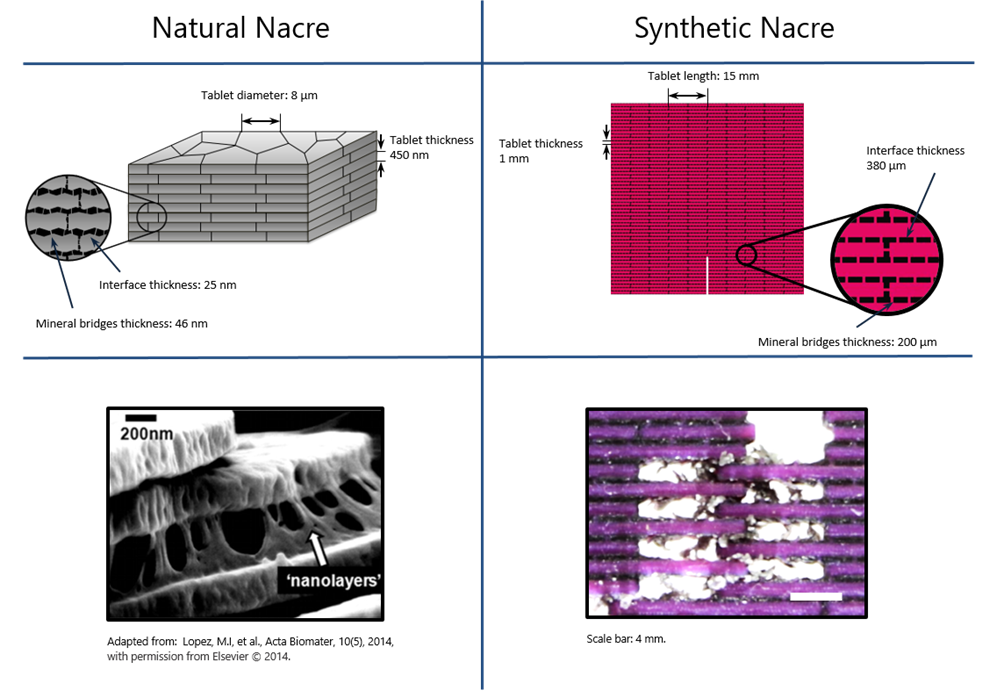
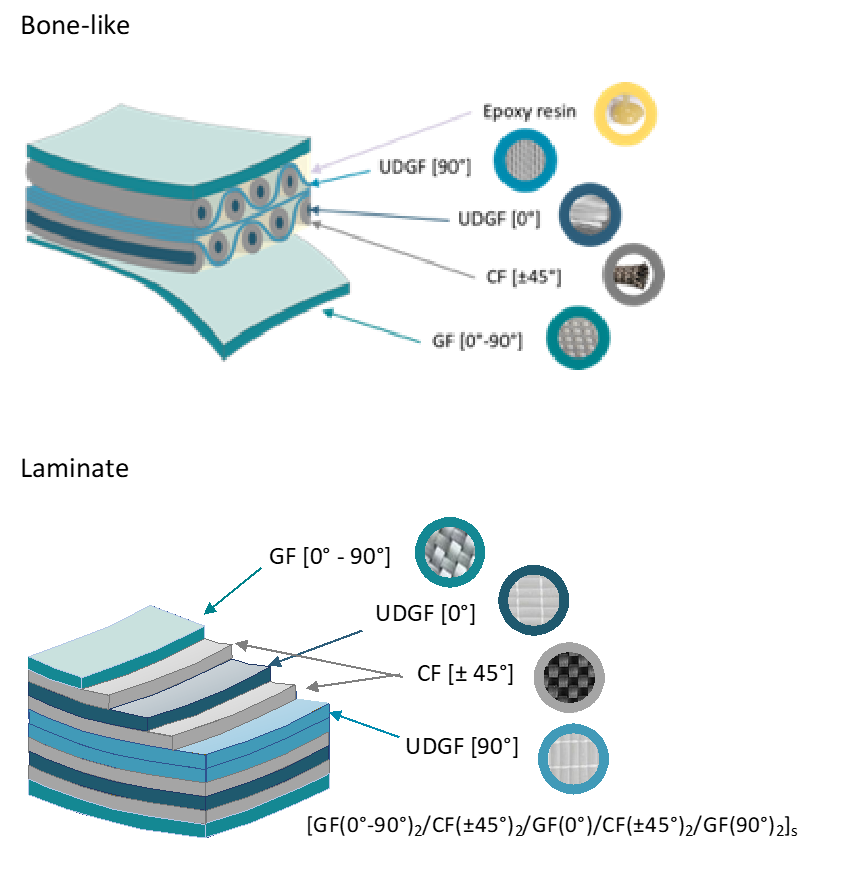
- Design of bioinspired composite materials: Design of materials inspired by existing models in nature, such as bone tissue, mother-of-pearl, and wood, known for their excellent combination of mechanical properties and low density.
- Design of lattice or trabecular materials or structures, whose macroscopic characteristics depend not only on their molecular structure but also on their fabrication geometry. Study of various three-dimensional periodic and synthetic cellular architectures designed to produce an optimized combination, not found in nature, of two or more responses to a specific stress.
- Additive manufacturing for the design of new materials using various additive technologies, e.g., filament printing (FDM), stereolithography (SLA), laser sintering (SLS), and PoliJet technology.
- Self-sensing composite materials: Design of smart composite materials with integrated sensors (e.g., carbon nanotubes) for continuous monitoring of the material's structural integrity
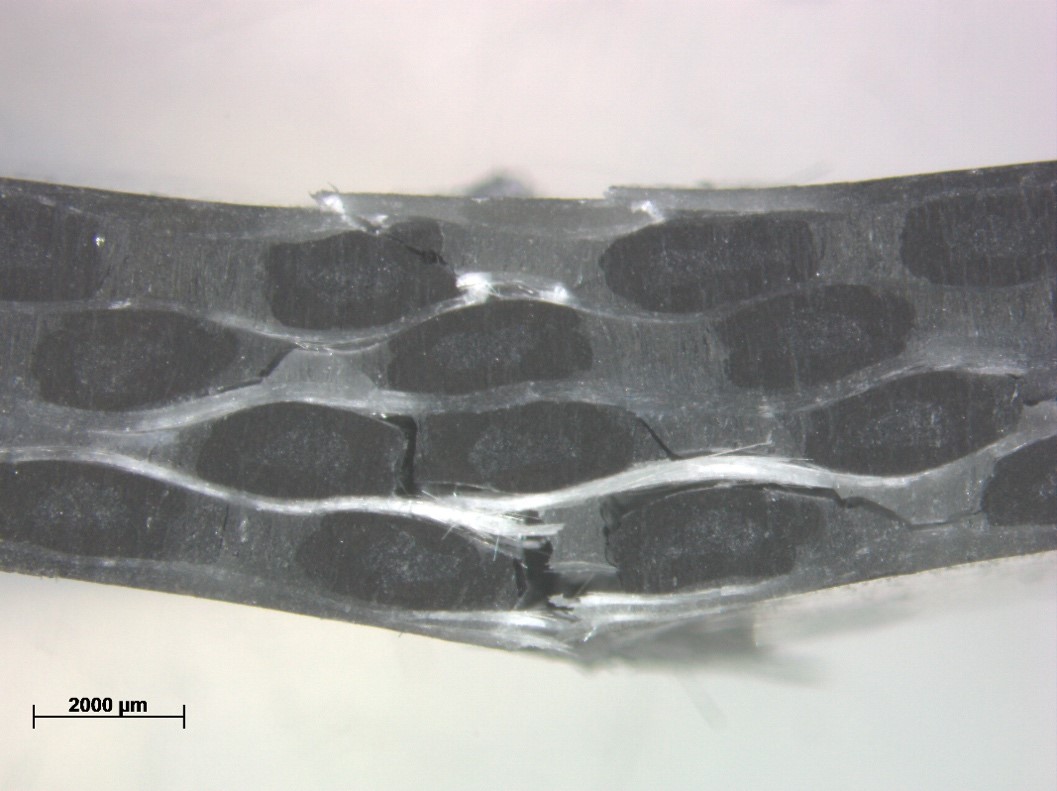
- Damage analysis of composite materials using infrared thermography and nondestructive techniques
- Multiphysics and multiscale simulations: Various numerical simulation techniques are used in materials design, from atomistic simulations to finite element simulations, which cover different length scales and are capable of modeling various physical phenomena (chemical, structural, thermal, etc.).
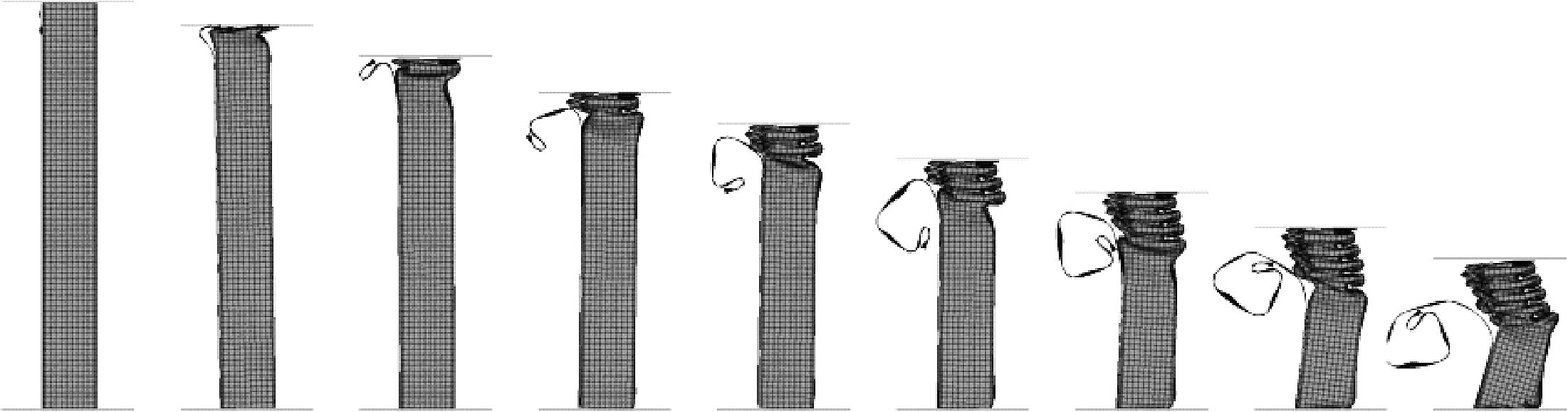
- Characterization and modeling of the mechanical behavior of cellular materials (polymeric and metallic) under complex loading conditions (static/dynamic, multiaxial, repeated)
- Characterization and modeling of the mechanical behavior of plastic materials under complex loading conditions (static/dynamic, fatigue, creep)
- Behavior of structural adhesives, modeling and simulation, failure and damage prediction models; Structural bonding of artifacts made of different materials
- Design and characterization of multifunctional materials
Laboratories
- Mechanical Characterization Laboratory
- M3M
Publications
- K.Park, D. Scaccabarozzi, C. Sbarufatti, A. Jimenez-Suarez, A. Ureña, S. Ryu*, F. Libonati*, Coupled health monitoring system for CNT-doped self-sensing composites, Carbon 166, 193-204, 2020
- Libonati, F.*; Vellwock, A.E.; Ielmini, F.; Abliz, D.; Ziegmann, G.; Vergani, L.; Bone-inspired enhanced fracture toughness of de novo fiber reinforced composites, Nature Scientific Reports, 9, Art.numb.: 3142, 2019
- Libonati, F.; Gu, G. X.; Qin, Z.; Vergani, L.; Buehler, M. J.*, Bone-Inspired Materials by Design: Toughness Amplification Observed Using 3D Printing and Testing. Advanced Engineering Materials 2016, 18 (8), 1354–1363. Front cover.
- Avalle M, Belingardi G (2018) A Mechanical Model of Cellular Solids for Energy Absorption. In: Advanced Engineering Materials; pp. 1-7; DOI: 10.1002/adem.201800457
- Mattia Frascio, Eduardo André de Sousa Marques, Ricardo João Camilo Carbas, Lucas Filipe Martins da Silva, Margherita Monti, Massimiliano Avalle (2020) Review of Tailoring Methods for Joints with Additively Manufactured Adherends and Adhesives. Materials, Vol. 13, 3949.