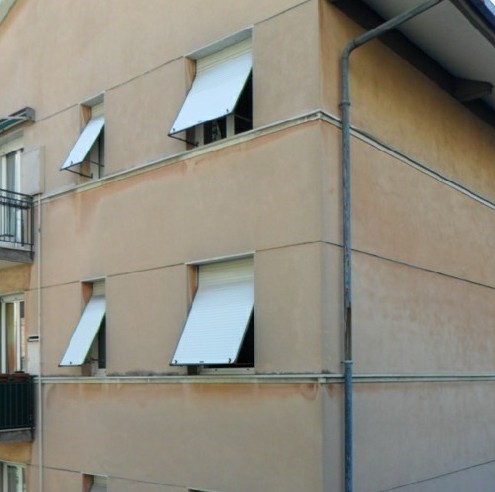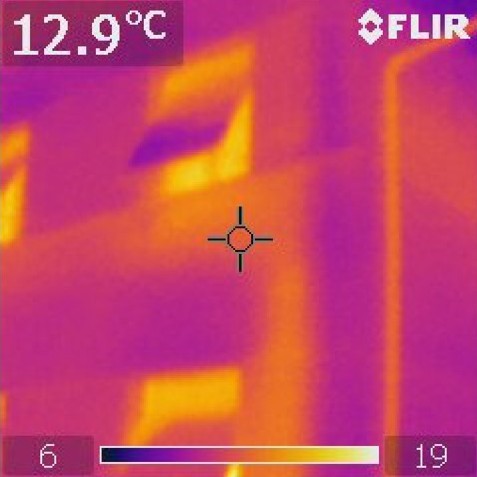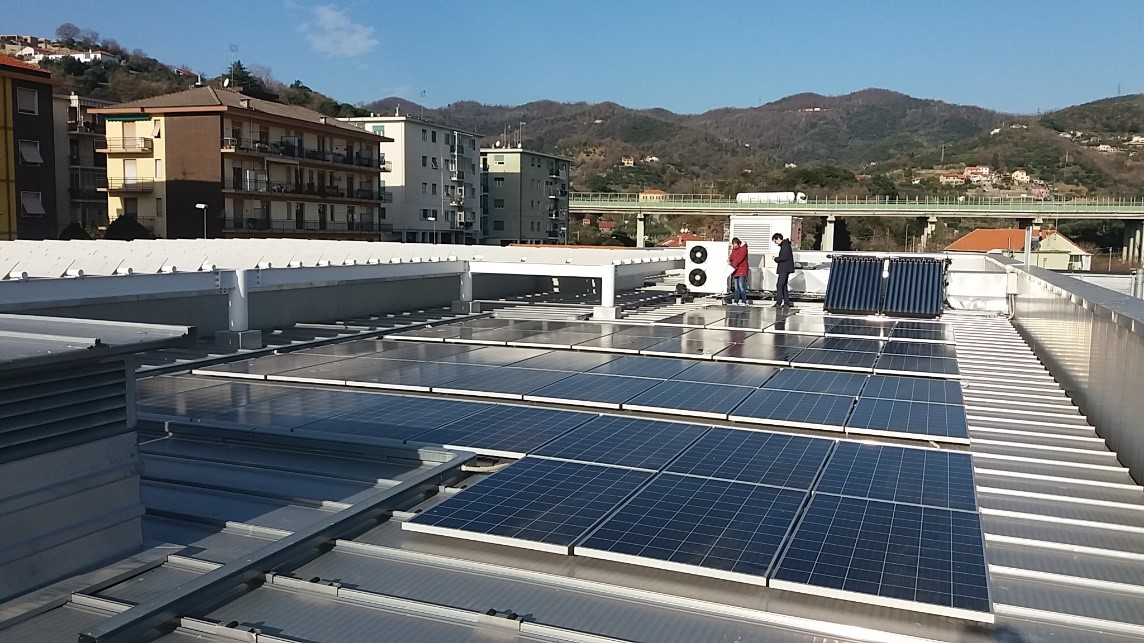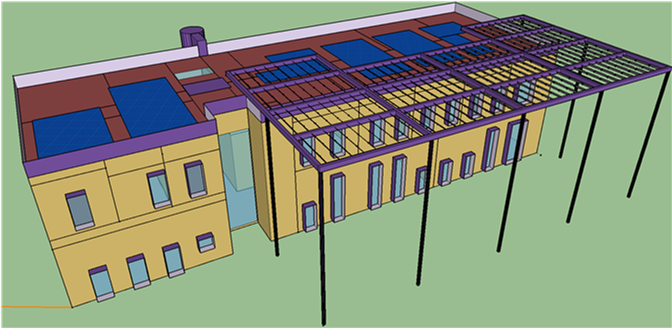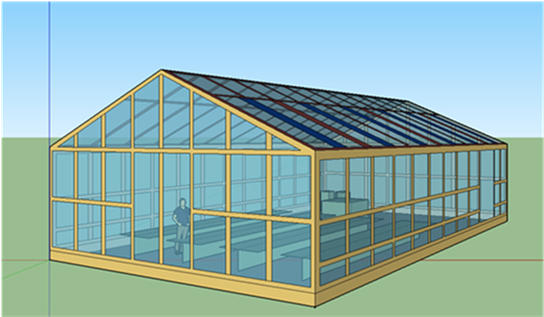

According to European Union estimates, buildings are responsible for approximately 40% of the EU's energy consumption and 36% of greenhouse gas emissions. Therefore, decisive action is needed in the construction sector, with the construction of new nearly zero-energy buildings (NZEBs) and the energy retrofitting of existing buildings. Savings in construction can be achieved both by addressing the building envelope to minimize energy needs (proper insulation, passive bioclimatic criteria to maximize solar gains, solar shading, green roofs, etc.) and through the use of renewable sources (solar thermal, photovoltaic, geothermal or solar-assisted heat pumps, etc.).
Furthermore, to promote the reduction of energy consumption in buildings, the requirement for Energy Certification, a procedure for assessing and certifying a building's energy performance using standardized methods, was introduced by EU legislation and subsequently implemented at the national level.
Research in this field concerns both the optimization of the building envelope and the use of renewable energy sources in construction, or even the optimized integration of both aspects, such as studies on buildings with double photovoltaic facades.
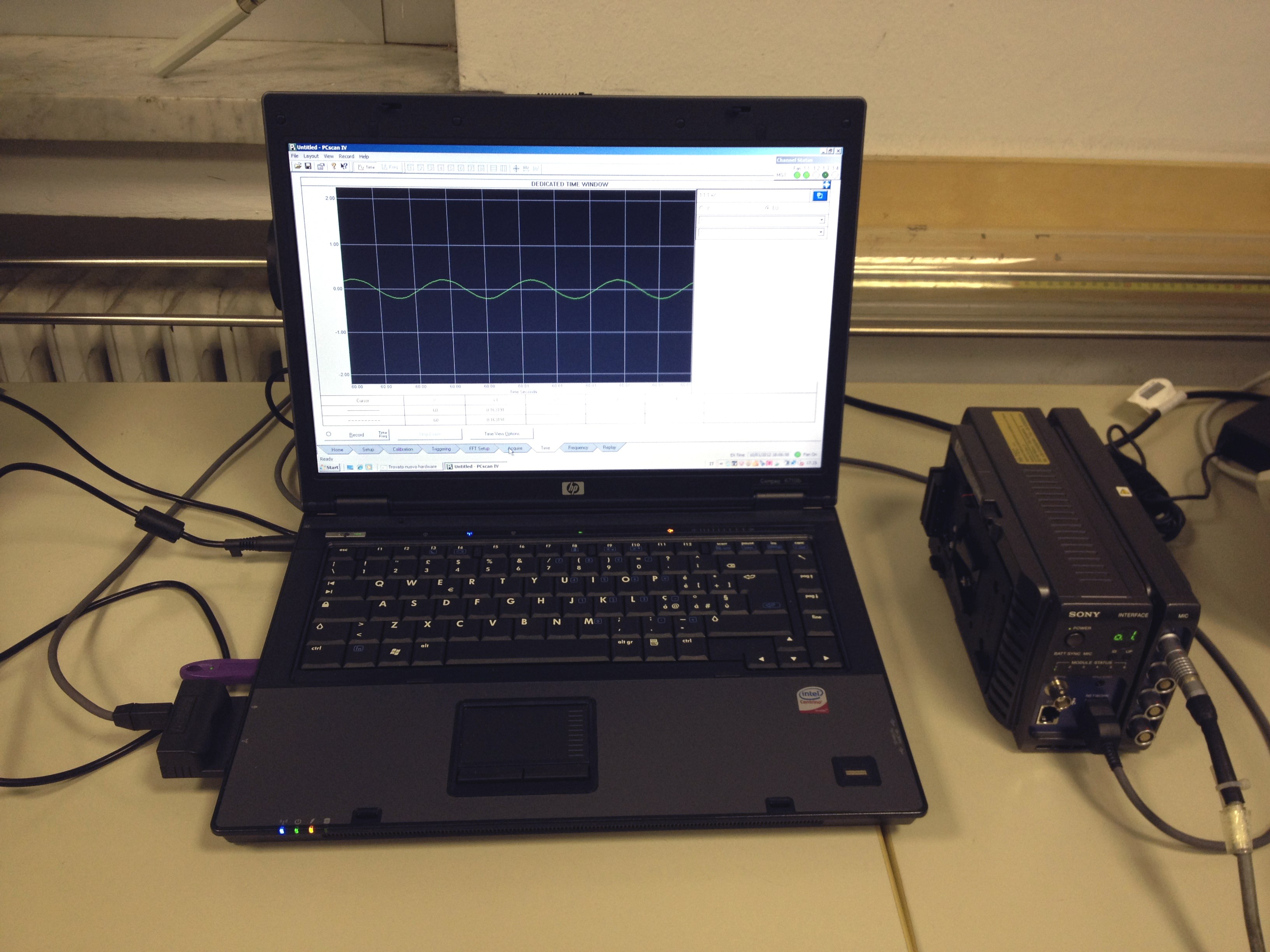
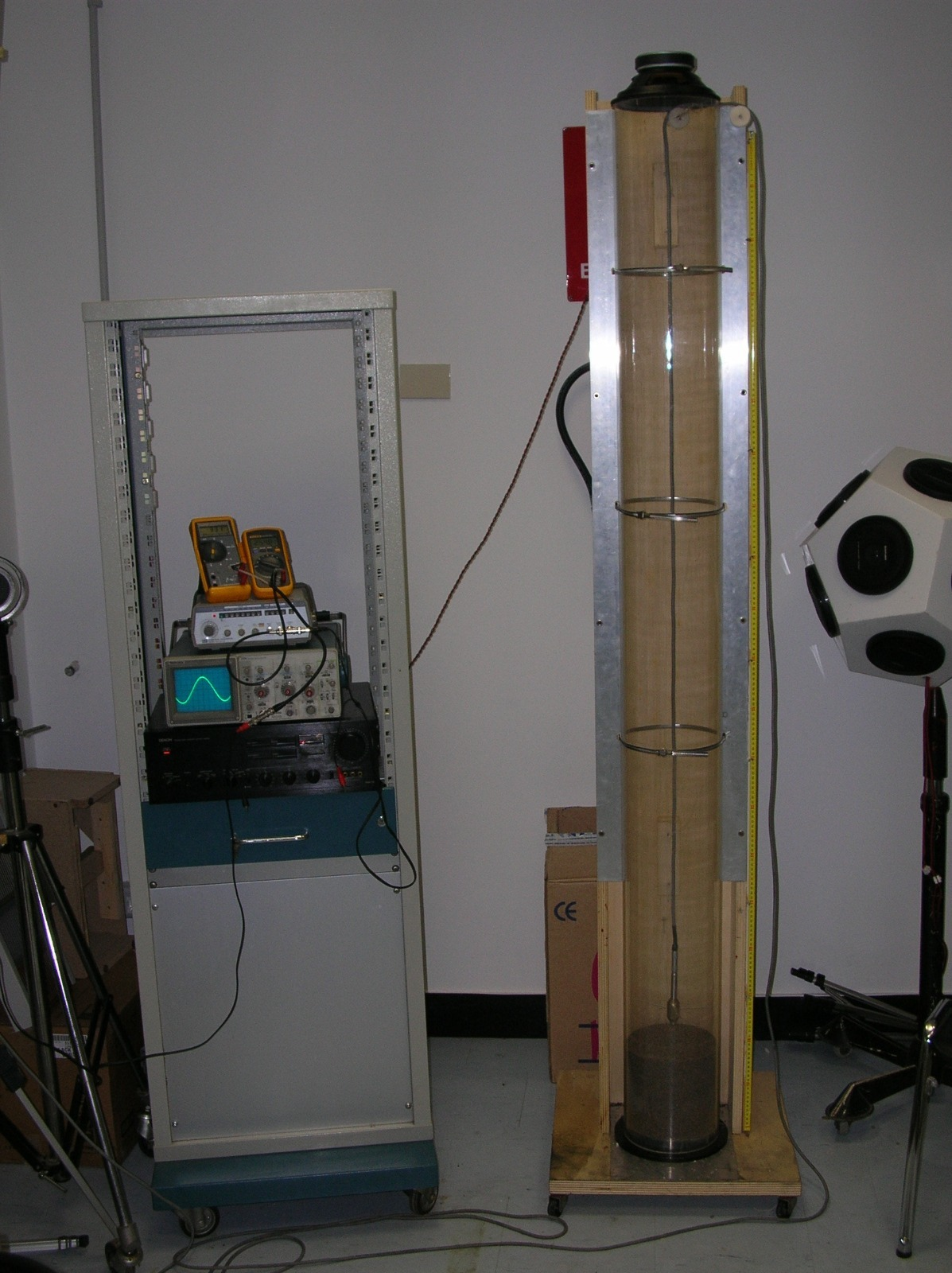
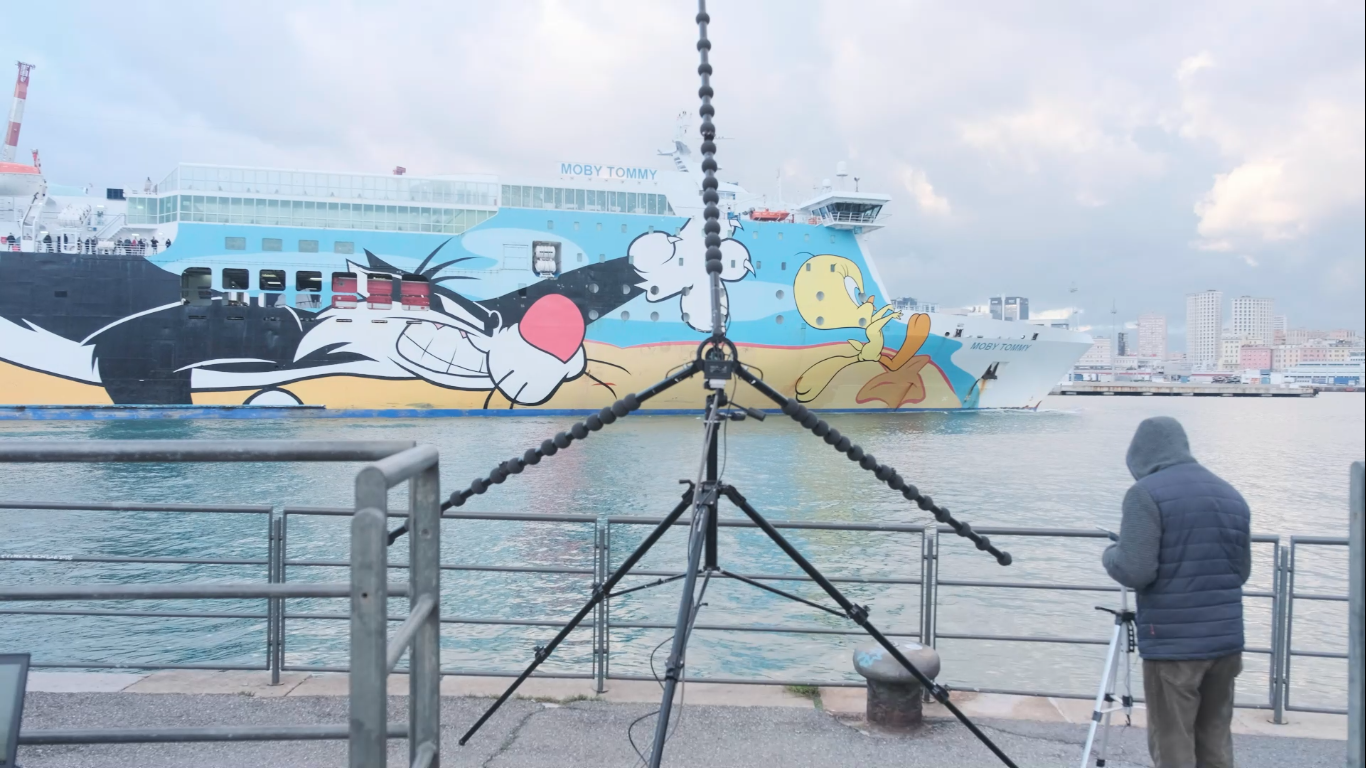
Regarding acoustics, the research group focuses primarily on the acoustic characterization of porous sound-absorbing materials, environmental and architectural acoustics, and ventilation duct acoustics. From an experimental standpoint, cutting-edge instruments, such as multi-channel data acquisition systems and an acoustic chamber, allow for an innovative and highly effective approach to the problem of environmental noise. An important area of research that has been pursued for many years is that of naval and maritime noise, which has received numerous European funding.
Laboratories
- Thermophysical Properties (PTLab)
- Applied Thermal Fluid Dynamics (TFALab)
- Acoustics Lab 1 – Acoustic Measurements
- Acoustics Lab 2 – Noise Control
Publications
- M.Fossa, C.Ménézo, E.Leonardi (2008), "Experimental natural convection on vertical surfaces for building integrated photovoltaic (BIPV) applications”, Experimental Thermal and Fluid Science 32, 980-990.
- S.Giroux-Julien, C.Ménézo, J.Vareilles, H.Pabiou, M.Fossa, E.Leonardi (2009), “Natural convection in a nonuniformly heated channel with application to photovoltaic facades”, Computational Thermal Sciences 1, 231-258.
- G.E.Lau, E.Sanvicente, G.H.Yeoh, V.Timchenko, M.Fossa, C.Ménézo, S.Giroux-Julien (2012), “Modelling of natural convection in vertical and tilted photovoltaic applications”, Energy and Buildings 55, 810-822.
- Borelli, D., Cavalletti, P., Marchitto, A., Schenone, C. A comprehensive study devoted to determine linear thermal bridges transmittance in existing buildings (2020) Energy and Buildings, 224, art. no. 110136, DOI: 10.1016/j.enbuild.2020.110136
- Borelli, D., Gaggero, T., Rizzuto, E., Schenone, C. Analysis of noise on board a ship during navigation and manoeuvres (2015) Ocean Engineering, 105, pp. 256-269 DOI: 10.1016/j.oceaneng.2015.06.040